
The rise of zero-waste restaurants
27/07/2023
The zero-waste movement is growing faster and faster.
When it comes to the hospitality industry, restaurants have long used buzzwords such as “farm-to-table,” “locally sourced,” or “nose-to-tail” to describe their missions.
And now, a new term has been gaining popularity: “zero-waste kitchens”. The name is fairly self-explanatory, but what goes into accomplishing wasting little to no food at a restaurant is more complex.
As restaurants try to not only become healthier businesses, many are also trying to become healthier for the planet. Every day, diners bring reusable containers to quick-serve restaurants, sign up for zero-waste food-delivery platforms, and choose “reusable containers” and “no utensils” when ordering.
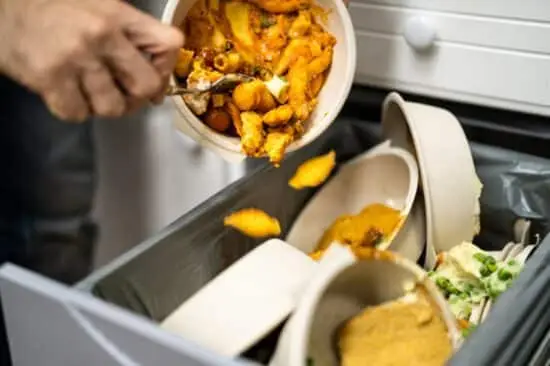
What exactly does zero-waste mean?
The definition of zero waste according to Wikipedia is as follows: “Zero waste is a set of principles focused on waste prevention that encourages redesigning resource life cycles so that all products are repurposed and/or reused.
“The goal of the movement is to avoid sending trash to landfills, incinerators, oceans, or any other part of the environment.”
Beyond reducing waste, many restaurants also seek to source their ingredients locally, which in addition to the cultural support makes financial sense by cutting down on transportation costs.
In an interview with Independent Media Lifestyle, Managing Director of First Group Shaun Lamont said he believes the discussion over “going green” should be a priority for the hospitality industry.
Lamont said it should be viewed as a catalyst for introducing innovative ways to enhance the guest experience.
“Guests are becoming more aware of eco-friendly practices and even more so when it comes to the dining experience. Choosing restaurants that are going above and beyond to minimise their carbon footprint without compromising on flavour is becoming a deal breaker,” he said.
Chef Sam Stone said people love to consider themselves “foodies” and embrace clean eating and expect the same when visiting hotels and resorts.
“This means evolving our menus, continuously finding ways to reduce our food waste, and replacing plastic with biodegradable options when it comes to straws and other take-away packaging,” said Stone.
The hospitality industry is renowned for its waste, especially when it comes to food waste, packaging, and plastics.
Article published by iol.co.za/sunday-tribune

More articles
- 25/04/2025 THE TRUE COST OF FRYING OIL WASTE (AND HOW TO STOP IT) – HENNY PENNY
- 20/02/2025 UPGRADE YOUR KITCHEN WITH THE HENNY PENNY F5 OPEN FRYER
- 14/02/2025 BAKING RED VELVET BROWNIES WITH WHITE COCOLATE IN THE RATIONAL ICOMBI PRO
- 16/01/2025 SPICE UP YOUR MENU: PERFECT DEEP-FRIED CHICKEN WINGS WITH HENNY PENNY PFE500
- 20/11/2024 Tomahawk Steak with Chimichurri Marinade on the Synergy Chargo